 Safeguarding
 Find a church
 Find clergy

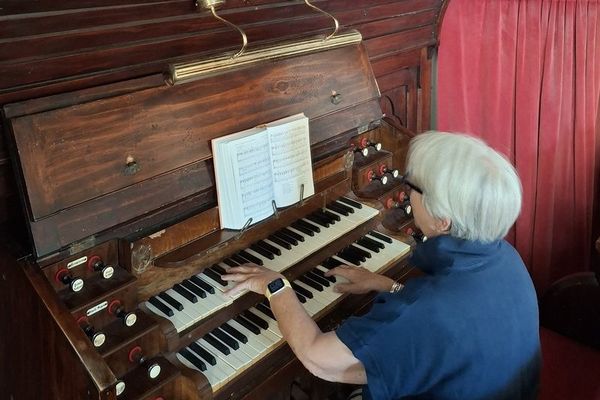
The British Institute of Organ Studies has bestowed a coveted Grade II* certificate upon the organ at St Nicholas in East Vale Ministry Area, a thrilling recognition for an instrument that stands as one of Wales’ rarest musical survivors.
Dating from 1875 and crafted by J. S. Dane & Sons of Swansea, the organ remains astonishingly close to its original condition. This remarkable state of preservation means it will now be formally listed in the Institute’s Register of Historic Pipe Organs as “an instrument of importance to the national heritage and one deserving of careful preservation for the benefit of future generations.”
In October 2025, St Nicholas invited Paul Hale, Emeritus Organist of Southwell Minster, to assess the organ’s condition and significance. His verdict was nothing short of extraordinary: “Only three organs by Dane have been traced. One has been destroyed, another considerably changed. St Nicholas is the only Dane organ surviving as built, and consequently of considerable heritage value, particularly to Wales. The console has a ‘terraced’ layout, all but unique in Great Britain, but more common in France.”