 Safeguarding
 Find a church
 Find clergy

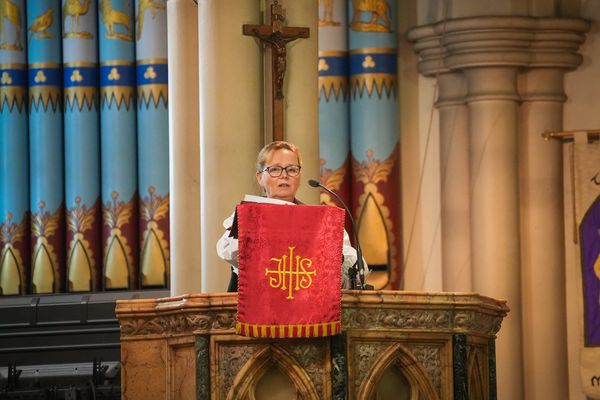
Delivered at St David's Church, Merthyr Tydfil- Tuesday, 20th October 2026.
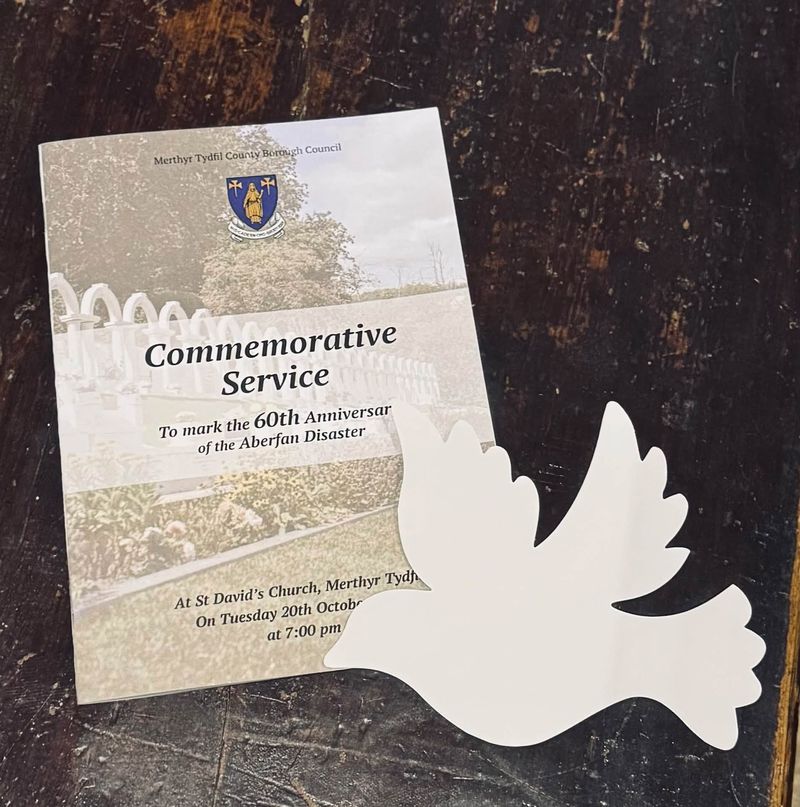
There are simply no words that feel adequate for this occasion: 144 precious lives suddenly taken, among them 116 schoolchildren, killed in a disaster that shook this nation and the world.
What can be said in the face of such unfathomable grief and loss?
Commemoration is another word for remembering, and to re-member is, quite literally, to seek to put something back together.
In the face of such grief, such immense tragedy, any thought of restoration, of mending what has been broken or making things right, can feel impossible. As the poet T. Llew Jones wrote, “the loss of lives so precious has been very hard.” Sixty years on, the pain is still palpable, and so much still feels broken.
And yet we must remember what happened, if there is to be any hope of preventing such a tragedy from occurring again, and if the children of Aberfan are to continue looking forward to a brighter future. There needs to be ongoing learning, reflection, and a deep commitment to protecting our communities, our children, and the safety of all. That learning is part of what makes today so important: it is how we continue to honour the memory of those who died.
It is part of the mystery of life that, sometimes, those who have experienced the greatest pain or loss help us find a way through what feels like impossible territory. Words from within this community help us begin to re-member in ways that, as the poem Tillie and Luke will read says, honour those who died. The poem speaks of a grief in the heart of this community which urges them “to build up trust that will outlast the deep misgivings of the past.”
Just as those with the least are often the most generous—and valleys communities have shown this time and again, being both among the most deprived and the most generous communities in Wales, ready to share and offer support where needed—so too, it is often those who have been hurt, or suffered the deepest bereavement, who show us the most meaningful scaffolding of love. We can all learn to be part of building that support for others: offering care, love, and a gentle presence that communicates the possibility of hope to those who are unable, for now, to feel or claim it for themselves.
I have been deeply helped by reading and hearing from those closest to the awful experience of Aberfan sixty years ago. Gaynor Madgwick has written a compelling and brave account of her experience in Pantglas school that day: the day on which she was severely injured and lost her brother Carl and her sister Marylyn among the schoolchildren.
In her book, Gaynor explains how the disaster left scars far beyond the physical upon herself, her family, and the whole community. She reminds her readers that there are many different ways in which individuals and the community most closely involved have been affected. She describes a range of reactions among the surviving children and the adults of the village, and how, over the years that followed, the courage, resilience, and determination of those who survived were not always met with the care, help, and support they needed. There were many failures to take responsibility for the disaster, and there are still lessons to learn. Three words on the cover of her book—survival, love, and community—point to the remarkable courage she and others have drawn upon.
Another memory shared with me this past week came from one of our retired priests, the Reverend Terry Cox, who was fifteen at the time of the disaster. He raced to Aberfan when he heard the news, and his abiding memory is of the tense and fearful silence on that day, as the crowds who gathered kept falling quiet, desperately listening for the cries of survivors. To this day, the awfulness of that silence has stayed with him. Others have spoken of different memories from that day and the days that followed: of those who died sheltering others; those who offered their labour digging; brave souls who took on the unspeakable tasks of cleaning and tending to the broken bodies of those who died; kind people who listened to the grieving, who drove people where they needed to be, or simply sat with those who needed someone beside them.
All these acts echo something of what we heard in the famous words of St Paul, which speak of what Christians believe is at the heart of God: love.
Love which St Paul contrasts with the empty, noisy words of human beings. Love which is patient and kind. Love which bears all things, believes all things, hopes all things, endures all things. Love which never ends. It is the same love we hear in Psalm 23: God’s loving presence, which never abandons us, even when we dwell in the valley of the shadow of death; love strong enough to drive out fear; love that invites us, gently and with enfolding arms, even when trust itself feels impossible.
Trusting in the love of God in the face of tragedy is hard. Grief is complex. Grief such as Aberfan has known is more than we can comprehend or explain.
At this time of commemoration the invitation to us is simply this: to bring ourselves as we are, with whatever complications, doubts, questions, sorrow, or anger we may carry.
We may be here because we are connected to someone who died, or because we want to stand in solidarity with those who are grieving. We may be here carrying anger and deep sadness, and we may be present with a determination to help the community keep living.
Christians believe that the God who made and loves every single soul hears all our needs and aspirations, and is always close to the broken-hearted and present to our pain.
Because our words can never adequately speak to such loss, today we ask God to hear what’s in the depths of our hearts. Asking for strength: that our loving concern, and our shared commitment to learning from the past, may help to address the pain, building pathways towards hope, healing, and wholeness for all. Amen.