ArchaeoMargam Open Day Celebrates Landmark Discovery of Roman Villa Beneath Margam Abbey Landscape
Margam Abbey Church welcomed an enthusiastic crowd at Saturday’s ArchaeoMargam Open Day, where visitors learned about a discovery that researchers believe will transform understanding of Wales’s early history. A Roman villa, exceptional in both scale and preservation, has been identified in Margam, offering unprecedented insight into the region’s Romano‑British past.
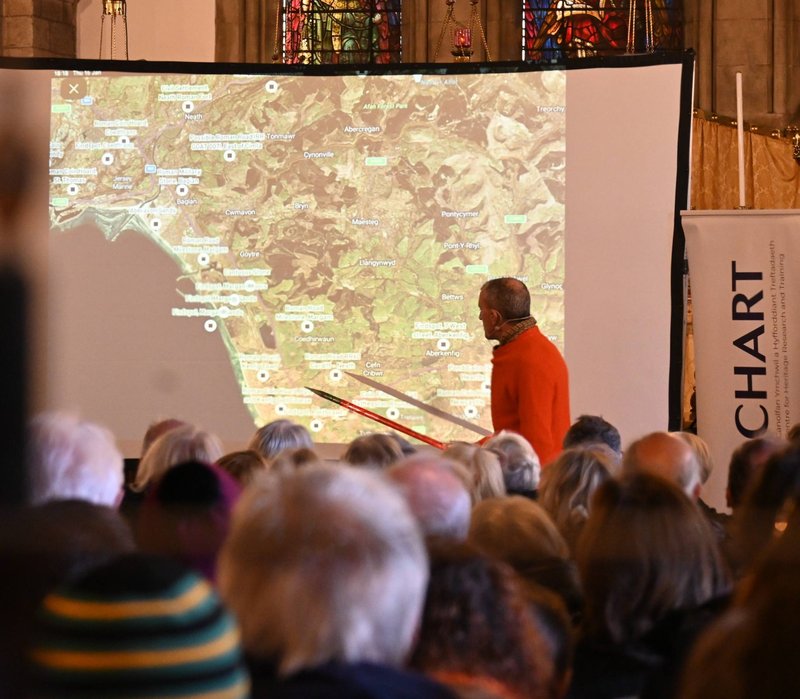
The find is the result of ArchaeoMargam, a partnership between Swansea University’s Centre for Heritage Research and Training (CHART), Neath Port Talbot Council, and Margam Abbey Church. Supported through Neath Port Talbot Council’s Heritage, Culture, Tourism and Events strand of the UK Government’s Shared Prosperity Fund, the project has brought together schools, volunteers, students, community groups, and local businesses to explore Margam’s pre‑industrial heritage.
Researchers explained that geophysical surveys carried out by Terradat revealed the footprint of a substantial Roman villa complex, preserved with a clarity unmatched elsewhere in the region. The villa lies within a defended enclosure measuring approximately 43m x 55m, and additional structures, including a large aisled building, suggest a long and evolving history of settlement, agriculture, and possibly post‑Roman leadership activity.
The project team emphasised that the discovery fills a major gap in Margam’s archaeological story. While the area is known for its Bronze Age, Iron Age, medieval, and post‑medieval heritage, almost nothing had previously been understood about its Romano‑British occupation. The newly identified villa now provides a crucial link in the region’s first‑millennium narrative.
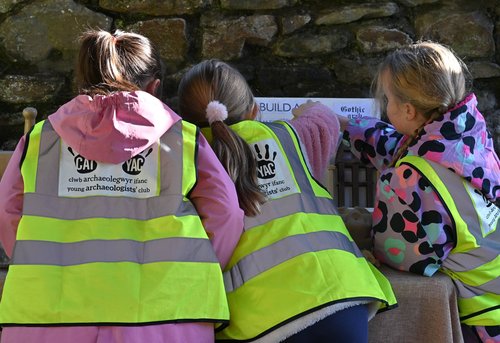
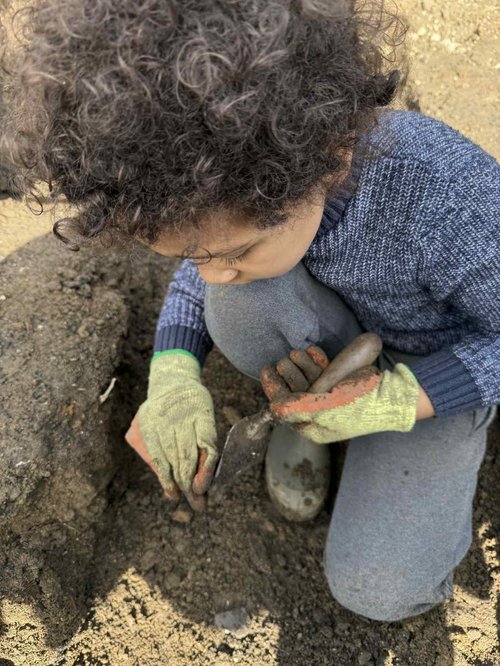
ArchaeoMargam has also delivered more than 900 hands‑on archaeological experiences for local school pupils, the Young Archaeologist Club, volunteers, and students from Neath Port Talbot Group of Colleges and Swansea University. These activities have helped make archaeology accessible, engaging, and community‑centred.
For Margam Abbey Church, the discovery carries deep spiritual resonance. Rev’d Lizzy Tremble‑Niccolls, Curate in the Port Talbot Ministry Area, said:
“The discovery of evidence of a Roman villa and Romano-British worship beneath Margam is profoundly moving for us as a church. It represents a unique blend of indigenous Celtic culture and Roman influence and it tells a story of prayer and pilgrimage that stretches back nearly two thousand years.
ArchaeoMargam has revealed that Margam Abbey stands in a landscape shaped by faith long before even our records began, and we want to use this exciting news to deepen our relationship with Margam Park and strengthen our shared life with the community.”
Beverley Gulley, Church Warden and long‑time supporter of Margam Abbey Church, reflected on the significance of the site:
“As the only nave of a Cistercian Abbey to survive the Dissolution and still be in use as a church today, Margam Abbey Church is a monument of unique importance to the region.
This is a deeply spiritual landscape and one that we are keen to know more about in partnership with people from across the region.”
Visitors to the Open Day enjoyed guided tours, expert-led talks, and hands‑on heritage activities including stone carving, wood whittling, and bushcraft. The event highlighted not only the archaeological importance of the villa but also the growing partnership between Margam Abbey, the local community, and the wider region.
As the Abbey looks to the future, the discovery offers both historical insight and spiritual encouragement. The words of Jeremiah 6:16 speak powerfully into this moment:
“Stand at the crossroads and look; ask for the ancient paths, ask where the good way is, and walk in it.”
The villa beneath Margam’s soil is one of those ancient paths, revealed at just the right time, guiding the Abbey and its community into a future enriched by a deeper understanding of its past.